Yoga and Sports: Synergy for a Competitive Edge
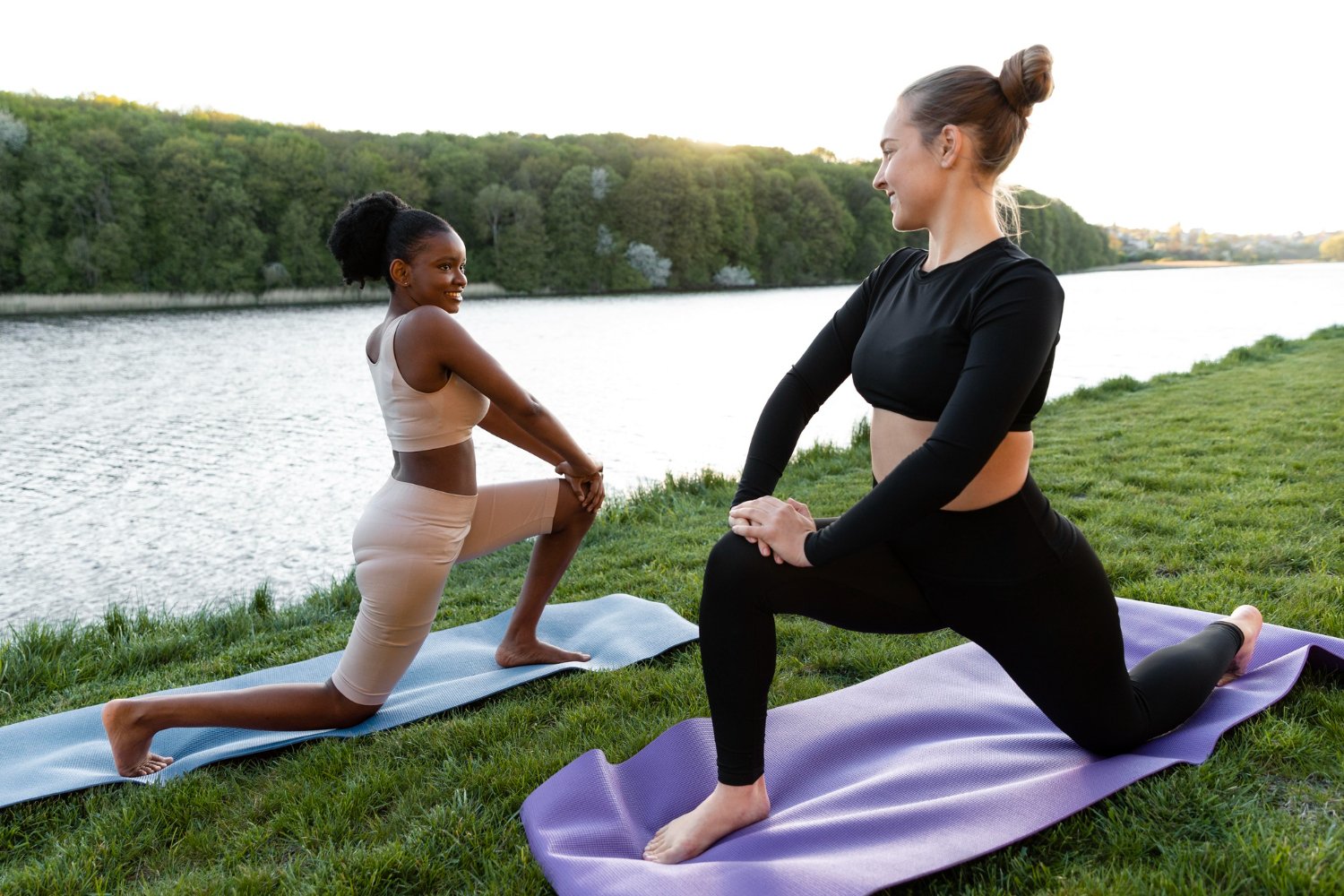
In sports, where every percentage of performance matters, athletes seek tools that allow them to go beyond routine training. Incorporating yoga into a sports regimen is not just a fashionable trend but a strategic decision that provides a tangible competitive advantage. It is important to understand that yoga is not a replacement for your primary sport or strength training but rather a powerful complement that enhances their effectiveness. It is a universal practice that can be adapted to the specific needs of any athlete, from sprinters to weightlifters.
A common misconception is that yoga is designed only for flexible people. This belief is false, as the practice of yoga itself is aimed at developing flexibility, starting with the simplest asanas (poses). Successful integration of yoga does not require perfect execution of complex poses but rather depends on awareness of one’s body and breath, allowing a gradual exploration of its capabilities and limits.
Comprehensive Benefits of Yoga for Athletic Performance
Integrating yoga into training gives athletes a unique set of advantages that cover both physical and mental aspects. These benefits work synergistically, creating a strong foundation for long-term performance and health.
Physical Aspects: Flexibility, Strength, Endurance, and Recovery
One of the most obvious benefits of yoga for athletes is improved flexibility and joint mobility. Regular practice helps lengthen muscle fibers, making tendons and ligaments more supple and elastic. This effect is especially noticeable when yoga is practiced after workouts, when muscles are already warmed up. Increased range of motion not only promotes more efficient movements in your sport but also significantly reduces the risk of injuries. For example, poses such as Child’s Pose effectively open the hips and lower back, releasing tension, which is critical for athletes performing repetitive movements.
Beyond flexibility, yoga is a powerful tool for building strength and stability. Fast, dynamic styles such as Vinyasa yoga, as well as slower practices that involve holding poses, effectively strengthen the core and stabilizing muscles. These muscles form the foundation for any movement and power transfer in sports. Using body weight in poses such as Downward-Facing Dog or Plank strengthens the upper body, back, and shoulders, improving balance, posture, and control in motion.
Yoga also enhances endurance and breathing function. Quick, fluid transitions in Vinyasa yoga elevate heart rate and improve cardiovascular endurance. Studies show that even thirty-minute yoga sessions practiced regularly can significantly impact physical stamina. The foundation of this benefit is pranayama — specialized breathing techniques that are fundamental to yoga. They increase lung capacity and oxygen efficiency, which is critically important for athletes, especially under high stress.
Finally, yoga is an ideal tool for speeding up recovery. It is a form of active recovery. Yoga exercises enhance blood circulation and lymphatic flow, helping muscles process metabolic byproducts such as lactic acid more quickly and promoting faster tissue healing. Practice also helps fight inflammation and increases oxygen flow to muscles, which is key for recovery.
Mental and Physiological Aspects: Focus, Awareness, and Stress Management
Yoga is, above all, a practice that builds the mind-body connection. It teaches athletes to listen to their bodies, developing deeper awareness of muscles, joints, and movements. This awareness makes it possible to recognize muscle imbalances or early signs of potential injury, making training more effective and safer.
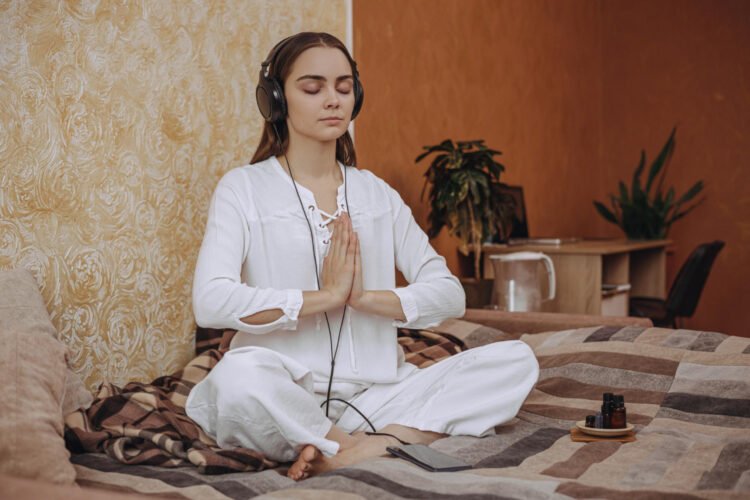
One of the most important physiological benefits of yoga is its impact on the nervous system. Intense training raises levels of the stress hormone cortisol. Yoga practice, especially deep breathing exercises, activates the parasympathetic nervous system, which is responsible for the “rest and digest” state. This not only relieves physical tension but also combats mental fatigue, which is a key risk factor for injuries. Managing stress in this way is critical for long-term performance and recovery. The mental relaxation achieved through yoga directly contributes to physical restoration.
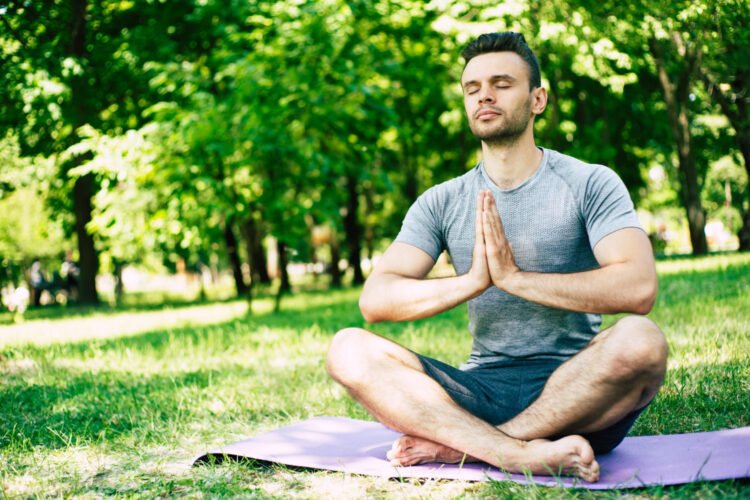
Yoga is also an exceptional tool for improving concentration. Balance poses such as Tree Pose demand full attention, training the mind to block out distractions and focus on the task at hand. This skill translates directly into competition, where the ability to concentrate instantly is crucial. By practicing yoga, athletes learn to control their thoughts and emotions under pressure.
A deeper analysis shows that physical and mental benefits of yoga do not exist separately but are interconnected. The physical practice of yoga and breathing exercises actively influence the nervous system. This activation of the parasympathetic system shifts the body into recovery mode, lowering cortisol levels. Thus, physical relaxation and effective recovery are direct results of achieved mental calm and physiological regulation. This interconnection is a powerful tool for any athlete, allowing not only effective training but also full recovery.
Additionally, research shows that yoga helps release tension in the fascia — the connective tissue that surrounds muscles and organs. Fascial tightness can lead to muscular imbalances and inefficient movement patterns, which is especially relevant for athletes whose movements are highly repetitive. Yoga, particularly styles such as Yin yoga that involve holding poses for extended periods, specifically targets this tissue, allowing “deep tension to dissolve.” This not only improves flexibility but also structural alignment of the body and prevents injuries, which is key to optimizing movement and enhancing performance.
Individualizing Practice: Yoga for Different Sports
For maximum effectiveness, yoga must be adapted to the specific needs of the athlete and their problem areas. Yoga can be viewed as “therapy for the muscles.” It is not just a set of exercises but a targeted approach to correcting imbalances caused by repetitive sports movements.
Yoga for Runners and Cyclists
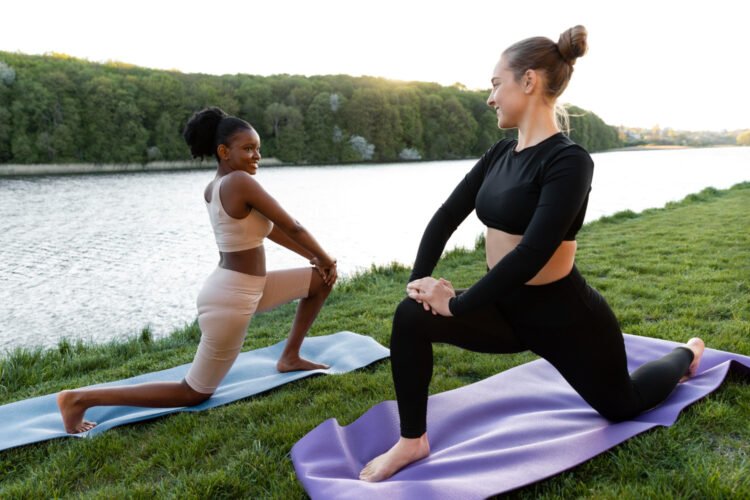
Runners and cyclists are prone to tightness in the hamstrings, quadriceps, hips, and IT band due to repetitive motions. This leads to limited range of motion, which can negatively affect performance and cause injuries. Yoga offers specialized poses that counteract this by stretching these muscle groups. For example, Downward-Facing Dog deeply stretches the hamstrings and calves, while Crescent Lunge opens the hip flexors. These poses directly improve running efficiency and pedaling motion.
Recommended poses:
- Downward-Facing Dog: Stretches hamstrings, calves, and feet — muscle groups most engaged in these sports.
- Crescent Lunge: A strong pose that stretches the hip flexors, heavily used by runners and cyclists.
- Pigeon Pose: Deeply stretches hip and glute muscles, helping to release accumulated tension.
Yoga for Strength Training and Weightlifters
A main challenge in strength training is muscle shortening and tightness, which restrict range of motion. This restriction can cause injuries and reduce exercise efficiency. Yoga helps restore natural mobility, which is essential for safe and effective execution of weighted movements such as overhead presses or squats. Shoulder mobility is particularly critical. Limited scapular rotation can cause injuries and limitations in key lifts.
Recommended poses:
- Puppy Pose: Specifically works on shoulder mobility and stretches the upper back, which is critical for weightlifters.
- Cat-Cow: A classic sequence that maintains spinal health and mobility, releasing tension in the lower back.
- Revolved Triangle Pose: Stretches the chest and spine, supporting better posture, which is essential for safe lifting.
Yoga for Team Sports (Football, Basketball)
In these sports, which require constant changes of direction, core stability, hip mobility, balance, and reaction speed are key. Yoga develops all of these qualities. The experiences of professional athletes such as Ryan Giggs and LeBron James show that yoga is a tool for maintaining peak performance and longevity at the highest level.
Recommended poses:
- High Lunge: Strengthens leg muscles and stretches hip flexors, important for dynamic movement on the field or court.
- Warrior Pose: Builds strength in legs, shoulders, and back while also improving balance and concentration.
- Tree Pose: A balancing posture that trains stability and mental focus, essential skills for any player.
The table below summarizes key asanas and their specific benefits for different sports disciplines.
Practical Aspects of Integrating Yoga into the Training Process
For yoga to become an effective tool, it is important to integrate it correctly into the weekly training schedule.
When to Practice Yoga: Optimal Timing
The choice of timing depends on the goals.
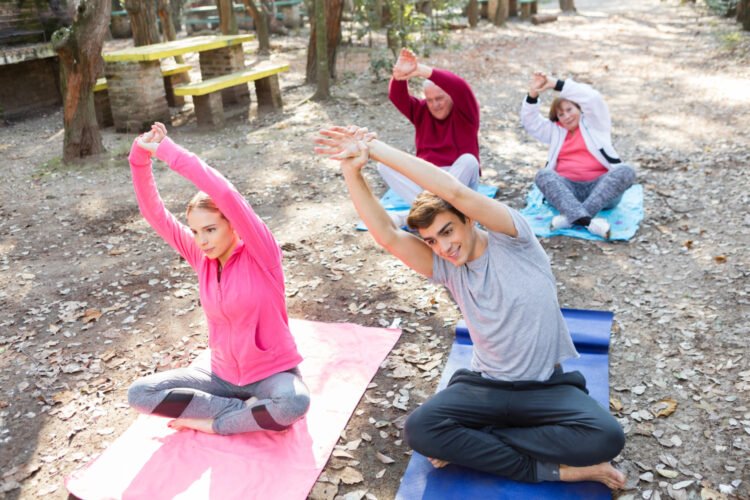
Before training (dynamic warm-up): A short 10–15 minute session of dynamic asanas can prepare the body for intense physical activity. It increases blood flow, warms up the muscles, and improves flexibility, reducing the risk of injury.
After training (active recovery): This is the most commonly recommended time. Yoga helps relax tense muscles, reduce delayed onset muscle soreness (DOMS), and speed up the removal of lactic acid.
On rest days: Yoga is an ideal option for active recovery, allowing the body to rest while maintaining tone and flexibility. Sessions on rest days help preserve key elements of fitness such as balance, flexibility, and core strength.
Choosing the Style: Matching Yoga to Your Goals
There are many styles of yoga, each with its own focus. The choice of style is a strategic decision depending on the athlete’s training cycle.
For recovery and flexibility: Yin Yoga and Restorative Yoga are ideal for rest days. They focus on long-held poses (from 60 seconds to 10 minutes), deeply affecting the fascia and releasing tension. They activate the parasympathetic nervous system, promoting deep relaxation. Hatha Yoga is also suitable for beginners, as it is slow and emphasizes breathing and holding poses to increase flexibility.
For strength and endurance: Vinyasa Yoga and Ashtanga are dynamic and intensive styles where movements are synchronized with breathing. These styles can serve as full cardio or strength sessions. Power Yoga focuses on strengthening the upper body and core, making it ideal for cross-training.
It is important to note that choosing a style of yoga is not arbitrary but a strategic decision based on the training cycle. For example, on days of intensive strength training (such as weightlifting), low-intensity restorative yoga is recommended to help muscles relax and prevent overtraining. Conversely, on lighter days, yoga such as Vinyasa can serve as a full workout. This approach demonstrates a deeply individualized strategy rather than a “one-size-fits-all” solution.
A special place is held by Yin Yoga, which works on the principle of “less is more.” Most sports involve active, dynamic muscle work. Yin Yoga offers the complete opposite: passive, static stretching. While it may seem ineffective, holding poses for 5–10 minutes with minimal muscular effort allows the body to bypass the protective stretch reflex and access the deep layers of fascia. This unique method provides flexibility that cannot be achieved through dynamic training.
Regularity and Duration
The most important principle in yoga practice is regularity. Even short sessions performed consistently yield better results than sporadic but intensive practice. For beginners, it is optimal to start with two to three sessions per week lasting 30–40 minutes. This ensures gradual progress without the risk of overstrain and allows muscles time to adapt. The duration of sessions can be flexible, from 15–30 minutes for maintaining regularity to 45–60 minutes for deeper work.
Experience of Elite Athletes: Evidence in Practice
The integration of yoga into training is not just a theoretical concept. Many elite athletes use it as a key element for achieving their goals, providing strong empirical evidence of its effectiveness.
Ryan Giggs (football): The Manchester United legend credited yoga with extending his career until the age of 40, which is exceptional in professional football. He confirmed that yoga helped him “stay fit and agile.” His example proves that yoga is a tool for athletic longevity.
LeBron James (basketball): One of the most famous basketball players in the world considers yoga an “important part” of his weekly training routine. His practice highlights its dual benefit—for both body and mind.
Novak Djokovic and Iga Swiatek (tennis): Both players are advocates of yoga. Djokovic uses it to increase flexibility, allowing him to perform extreme movements on the court without injury, as well as for mental strength and calmness. Iga Swiatek practices pranayama for improved lung function and self-awareness. Her training with her mouth taped emphasizes the importance of proper breathing technique, which is fundamental in yoga.
Importantly, yoga has been integrated not only into individual programs but also into the training of professional teams. For example, the Seattle Seahawks (NFL) and the New Zealand All Blacks rugby team have included yoga in their mandatory training programs, confirming its effectiveness at the highest level of sport.
The success and longevity of Giggs, James, Djokovic, and other elite athletes provide strong proof that yoga is more than just training. It is an investment in athletic longevity. Instead of focusing only on “more strength” or “more speed,” these athletes use yoga for risk management (injury prevention) and the maintenance of physical qualities (flexibility, mobility) with age. This transforms yoga from a simple activity into a strategic investment in one’s career, which is especially relevant for professional athletes.
Yoga as a Strategic Component of the Modern Training Regimen
Integrating yoga into an athlete’s training provides a unique set of benefits that go beyond traditional workouts: improved flexibility, strength, endurance, as well as key mental skill’s awareness, concentration, and recovery ability. Yoga is not a religion but a universal practice based on scientifically grounded principles.
In summary, yoga is not just a trend but a scientifically proven tool that makes athletes better, stronger, and, most importantly, more aware. It provides a competitive advantage on both physical and mental levels, allowing athletes not only to achieve results but also to enjoy the process while staying healthy and resilient to challenges. Anyone who strives to take their performance to the next level should give yoga a chance: “Just come to the mat and see what you discover.”