How to Make Yoga Practice Fun for the Whole Family
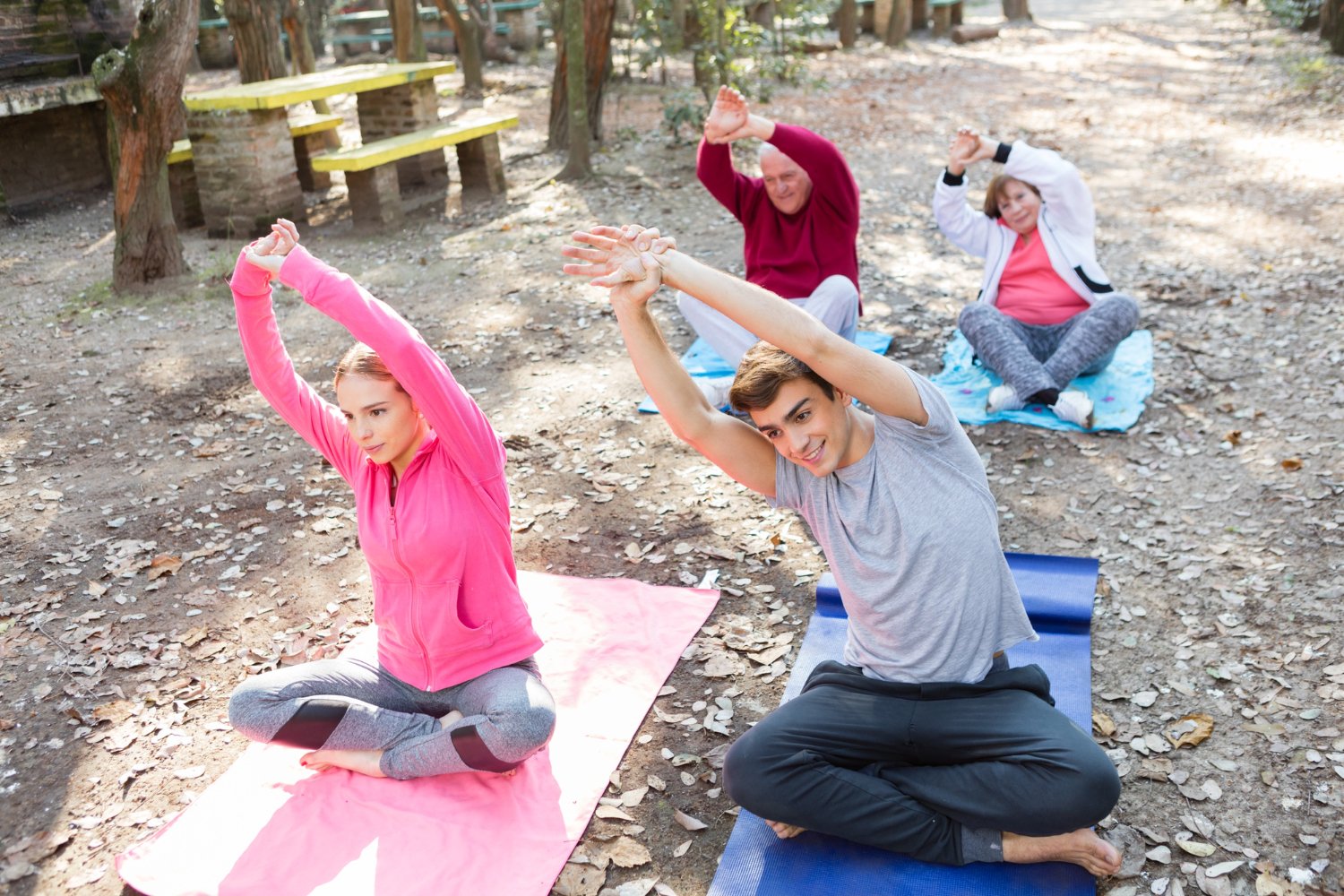
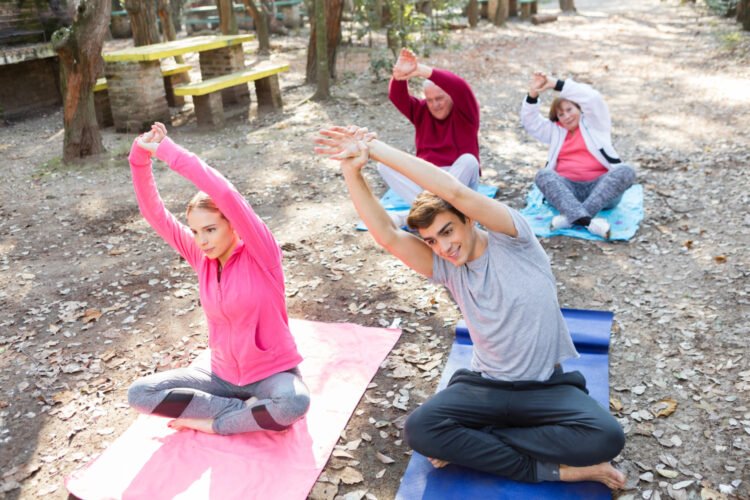
Family yoga is a powerful tool for harmonizing relationships and promoting the overall development of all family members. This practice goes far beyond ordinary physical exercise, offering deep psycho-emotional benefits for both adults and children. From a physical point of view, yoga helps children develop strength, flexibility, balance, and coordination, as well as improve posture. It also promotes the release of endorphins, the happiness hormones, which positively affect overall mood.
However, the true value of family yoga lies in its impact on mental health. Breathing exercises and relaxation techniques help children cope with stress and anxiety, improve concentration, and promote better sleep quality. Regular practice also develops self-awareness, empathy, and emotional regulation, which are important components of positive mental well-being. For teenagers, who often face challenges and stress, yoga can become a source of confidence, better focus, and emotional stability.
Yoga as a Tool of Family Communication
Traditional family activities, such as watching movies or playing board games, although unifying, often do not require deep physical and emotional interaction. This creates situations where family members may be near each other but not truly “communicating.” Family yoga, especially during partner poses, requires much greater presence and mindfulness. For example, partner poses like “Double Boat” or “Swing” require synchronized movements, nonverbal communication, and mutual support.
Such physical interaction fosters empathy, as each participant needs to feel their partner’s limits and provide the necessary support. This process forms a deeper level of trust, which later transfers to other aspects of family life. When a child knows that a parent will physically support them in a challenging pose, it creates a metaphor for emotional support that is always present. It is not just about spending time together, but about actively and mindfully creating shared experiences that strengthen emotional bonds and build a strong network of mutual support.
Creative Methods: Yoga that Turns into Play
Classes become much more exciting when they are united by a theme, such as “Safari in Africa,” “Space Journey,” or “Jungle.” When children perform the “Giraffe Pose” or “Elephant Pose,” they are not just copying movements — they are becoming characters. This transforms a routine exercise into a creative game that engages imagination and maintains interest.
A themed class solves the problem of short attention spans in children by providing context and narrative that hold their focus. Instead of simply moving from “Downward Dog” to “Cobra,” we can “travel through the jungle,” meeting “elephants” and “cobras,” which makes the sequence logical and engaging. This transformation makes yoga exciting and memorable.
Yoga Stories: Moving in the Rhythm of a Tale
Integrating asanas into a story that turns the class into an interactive fairy tale is one of the most effective methods. This removes pressure about performing poses “correctly,” as the posture is perceived as part of an engaging story rather than a difficult exercise. Such an approach reduces anxiety and encourages voluntary participation, especially for children who may feel insecure.
The story helps children focus beyond the movement itself. For example, in the “Sphinx Pose” the child is not just “arching the back” but “peeking out from behind a rock like a lion waking up.” This changes perception and makes the pose more accessible. It also develops language, imagination, and memory skills as children follow the storyline and repeat the movements.
Games with Yoga Elements: Learning Through Play
There are many games that adapt classic rules to yoga: “Yogi Says,” “Musical Mats,” “Yoga Races.” These games not only entertain but also train important skills such as self-control, the ability to respond to cues, and following instructions.
In a world where children constantly face distractions, developing focus and self-control is critically important. Yoga games, such as “Yogi Says,” where children must carefully listen for the key phrase, train these skills in an informal setting. This makes the learning process enjoyable and effective, as the child learns to control impulses without feeling pressured.
Creating the Perfect Session: Step-by-Step Guide
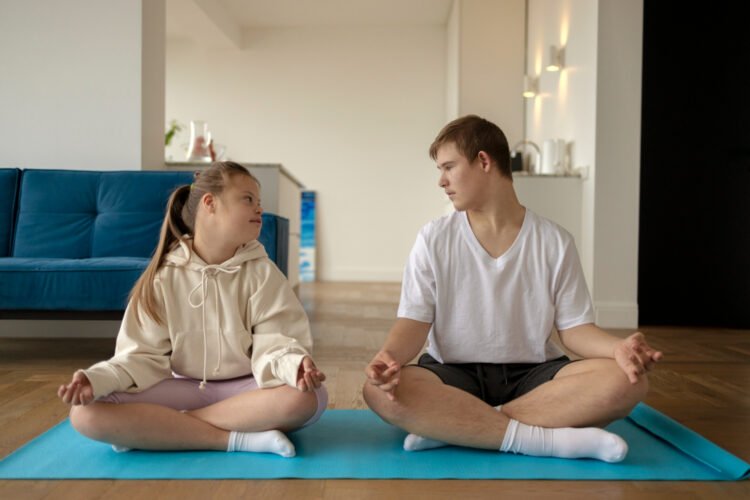
For a successful family yoga practice, it is important to create the right environment. Set aside a regular time when all family members can participate, such as in the morning or evening. Choose a quiet, tidy place with enough space for movement. Clothing should be comfortable and flexible to avoid restricting movement. Yoga mats are recommended for comfort and safety, as well as supportive props like blocks or towels, which may be useful for those with limited flexibility.
Adapted Class Structure
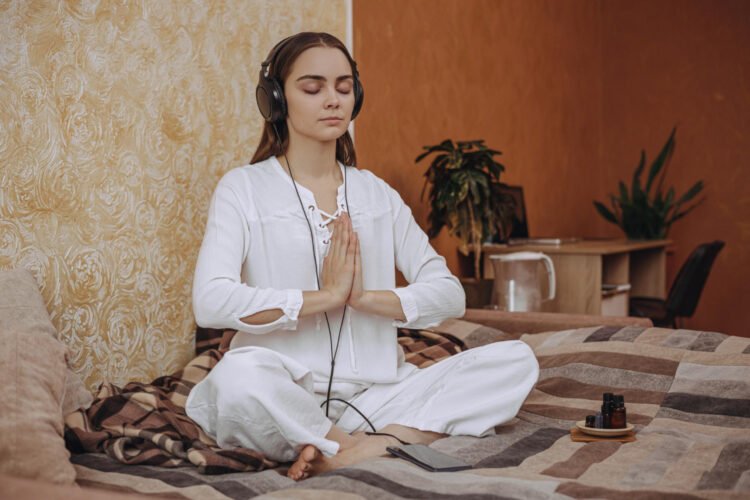
The classic format of adult yoga (meditation, long asana sequences, savasana) does not work well for children due to their energy and shorter attention spans. The class structure should be flexible, starting with an active phase and alternating movement with calm. To maintain focus, it is necessary to engage different senses. Using music, visual cards, toys, and even scents (for example, lavender oil) makes the practice a multisensory experience, enhancing engagement.
A child’s brain develops rapidly, absorbing information from all sensory channels. Limiting the class to visual demonstration and verbal instructions alone can quickly lead to boredom. Incorporating music that changes tempo, colorful yoga cards, or soft toys for visualization keeps interest alive without overwhelming. This is the foundation of a successful children’s class.
Partner and Group Poses: Learning to Trust and Cooperate
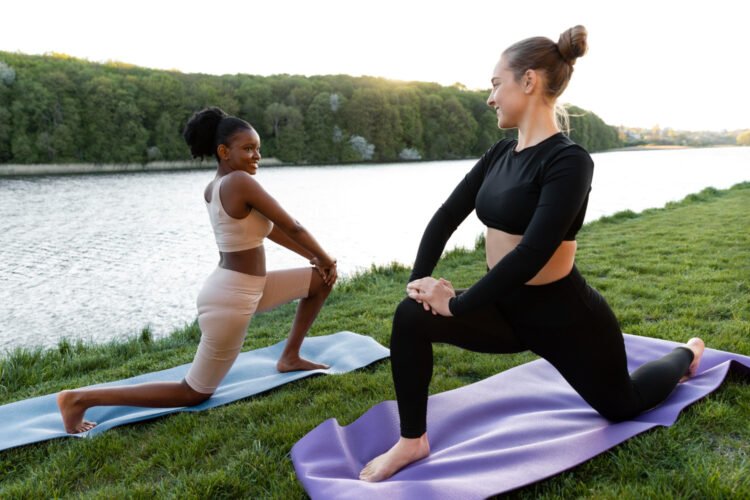
Partner poses are particularly effective for strengthening connections and building trust, as they require shared effort and mutual support. They teach children and adults to work as a team. These poses demand not only physical but also emotional synchronization, and their success depends on trust, communication, and cooperation.
They are a kind of “metaphor” for family interaction. For example, in the “Lean on Me” pose, participants literally demonstrate how supporting another helps maintain balance. This becomes a powerful nonverbal lesson about the value of teamwork that a child remembers on a deeper, physical level.
Family yoga is not just physical exercise but a multilayered practice that promotes the harmonious development of the whole family. The key to success is flexibility, creativity, and focusing on enjoyment of the process rather than on a “perfect” result. Breaking myths about children’s yoga, adapting the approach to each child’s needs, and using playful and creative methods can turn any class into an unforgettable adventure.
Start your own family yoga journey today. Whether it is a short but fun 5-minute “yoga adventure” or an engaging story with playful poses, observe how this simple practice changes your family dynamics, fostering deeper connection, mutual support, and shared joy.