How to Train Concentration in Schoolchildren with the Help of Yoga
Schoolchildren are increasingly facing scattered attention, often called “clip thinking,” as well as higher levels of stress and anxiety. These factors directly affect their academic performance, learning ability, and overall psychological well-being. In this context, parents and educators are looking for effective tools that can help children develop inner balance and learn to focus their attention. Yoga, which was historically perceived as a spiritual practice, is now recognized as a powerful, holistic tool for addressing these challenges, as its benefits go far beyond ordinary physical exercise.
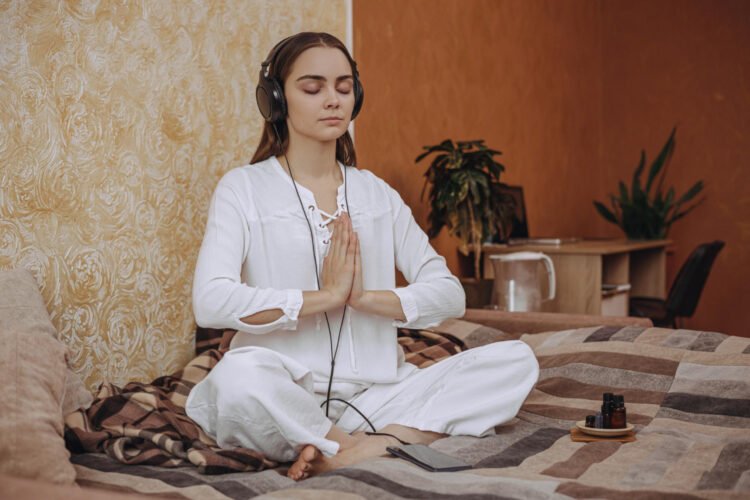
Yoga classes support a child’s physical development by improving flexibility, strength, and coordination. However, its most important value lies in the holistic approach that unites body and mind. Through mindfulness practice, breathing exercises, and static poses, yoga helps children concentrate better on their studies and daily activities, while also teaching them to manage emotions and cope with stress.
Effective Exercises for Schoolchildren
For schoolchildren, yoga should first and foremost be an engaging game, not a strict workout. This reduces psychological pressure and motivates children to practice regularly. That is why many asanas have playful names associated with animals, objects, or natural phenomena. Such a teaching approach makes classes interesting and dynamic rather than forced.
Asanas for Training Focus and Balance
Mountain Pose is performed in a standing position: stand upright, place your feet together and parallel. Arms can be kept at the sides or palms pressed together at the chest. The important part is to stretch upward with the whole body, distributing weight evenly. This asana improves posture, stability, and forms the basis for inner focus.
Tree Pose starts from a straight stance. Shift your body weight onto one leg and press the sole of the other foot against the inner thigh. Place your palms together at the chest or raise your arms above the head. This pose requires attentiveness and balance, strengthens the leg muscles, and trains the eyes.
Downward Facing Dog is performed from all fours. Lift your hips upward, forming an inverted “V,” while keeping your hands shoulder-width apart and feet hip-width apart. It helps relieve stress and anxiety, improves focus, and stretches the spine.
Asanas for Calming and Awareness
Butterfly Pose is performed sitting: bring the soles of the feet together and let the knees fall outward. Hold the ankles with your hands and gently move the knees up and down, like wings. This asana relaxes the hip joints and inner thigh muscles, gradually releasing tension.
Happy Baby Pose begins lying on the back. Pull the knees toward the chest, hold the outer edges of the feet, and gently draw the knees toward the floor. It relieves tension in the hips and lower back, bringing a sense of lightness.
Savasana is also done lying on the back. Place arms alongside the body with palms facing upward, and close the eyes. The main task is complete relaxation and mindful observation of sensations in the body. This pose reduces muscle tension, prevents fatigue, and supports memory and concentration recovery.
Neuro-gymnastics for Cognitive Development
To improve cognitive functions, neuro-gymnastic exercises can be used. They are specifically designed to enhance cooperation between the left and right hemispheres of the brain, which is key to successful learning.
Mirror Drawing: The child holds pencils in both hands and simultaneously draws mirror-symmetrical shapes, letters, or numbers. This exercise develops coordination, motor skills, and inter-hemispheric interaction.
Horizontal Eight: Draw the number eight on its side in the air. First with one hand, then the other, and then with both at the same time. This stimulates visual-motor coordination and thinking speed.
Turning Classes into a Game
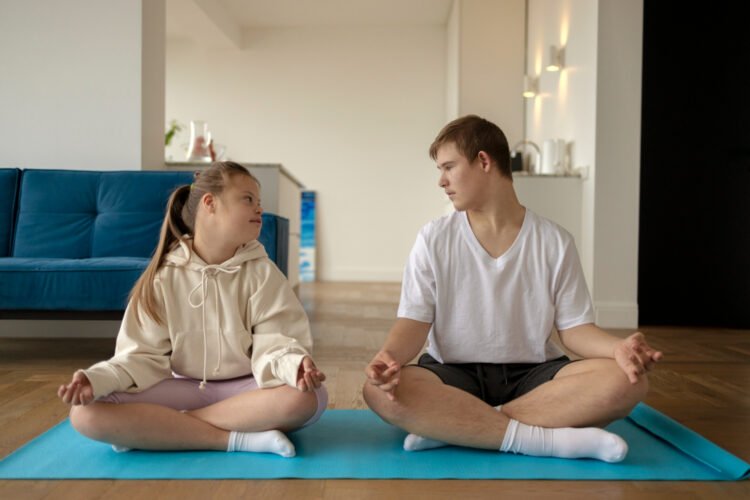
Engaging a child in yoga requires a special approach that takes into account their interests and psychological characteristics. The key is to turn practice into a shared game without pressure or competition.
Five “secrets” to encourage children to practice:
- Be an example: Start doing asanas yourself and invite the child to join. Instead of criticism, use praise: “You did even better than me!”
- Skip strict plans: Let the child choose which asana they want to try. Make it a fun game where the child is the main participant.
- Do not insist: If the child is not in the mood, postpone the class. Instead, you can start practicing yourself in their presence, saying: “Look how well I’m doing!”
- Encourage and show progress: Praise the child when something works out and ask them to show their skills to other family members. This helps them remember the exercises and boosts self-esteem.
- Create a ritual: It is not necessary to practice every day. Choose 2–3 days a week and create a ritual, such as choosing comfortable clothes, airing the room, or turning on favorite music. Over time, the child will get used to the ritual and ask to practice themselves.
Unlike many sports, yoga does not create a competitive environment. It emphasizes the inner state rather than comparison with others. This makes it especially useful for hyperactive and anxious children, helping them become more disciplined and attuned to their bodies.
Safety First: Contraindications and Precautions
Safety is the most important aspect of children’s yoga. It is essential to understand that children’s practice is not a simplified version of adult yoga but a separate discipline with its own rules and limitations. The child’s body, including the endocrine and circulatory systems, is not yet fully developed, so some exercises can be unsafe.
General contraindications: Yoga is strictly forbidden in cases of:
- Heart defects
- Mental health disorders
- Blood disorders
- Increased intracranial pressure
- Oncological diseases
It is also advisable to avoid classes during flare-ups of chronic or infectious illnesses, when overtired, or with fever.
Specific limitations for children:
- Duration of asanas: Prolonged static poses typical of adult yoga are not recommended for children under 17.
- Inverted poses: Headstands and other postures where the head is below the pelvis are not recommended for children under 14–17.
- Breathing techniques (pranayama): Complicated breathing practices that affect the endocrine system should not be used for children without medical supervision to avoid harm to the developing body.
General safety rules should also be followed: do not practice on a full stomach (wait 1–2 hours), avoid drinking during class, wear natural fabrics that do not restrict movement, and practice in a well-ventilated room.
Yoga as an Investment in a Child’s Future
Yoga for schoolchildren is much more than just physical activity. It is a powerful tool that provides children with skills of self-regulation, inner calm, and the ability to concentrate. Regular practice strengthens not only the body but also psychological resilience, which is critically important in the modern educational environment. By teaching mindfulness, yoga helps children better understand their emotions and reactions, raise self-esteem, and learn more effectively.
The skills gained through yoga focus, patience, the ability to relax are key to success not only in school but also in later life. Encourage children to practice with joy and play, and you invest in their harmonious development and happy future. Start small, just 10–15 minutes a day to open the door to a world where calmness and focus become their true superpower.