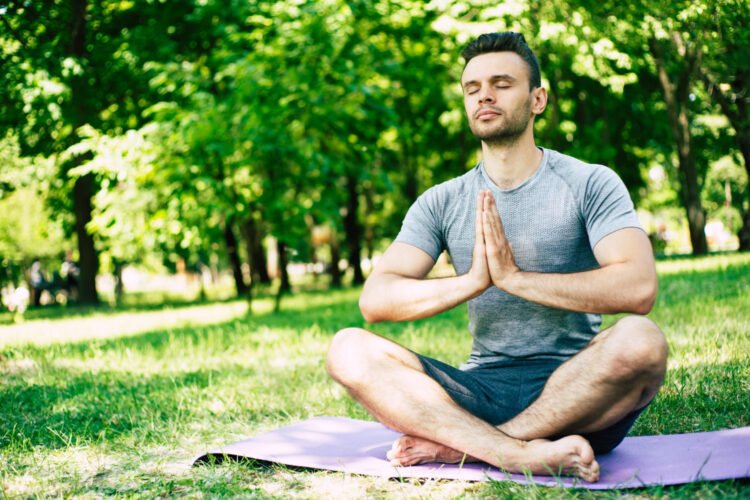
How to Choose the Right Music for Home Yoga Practice
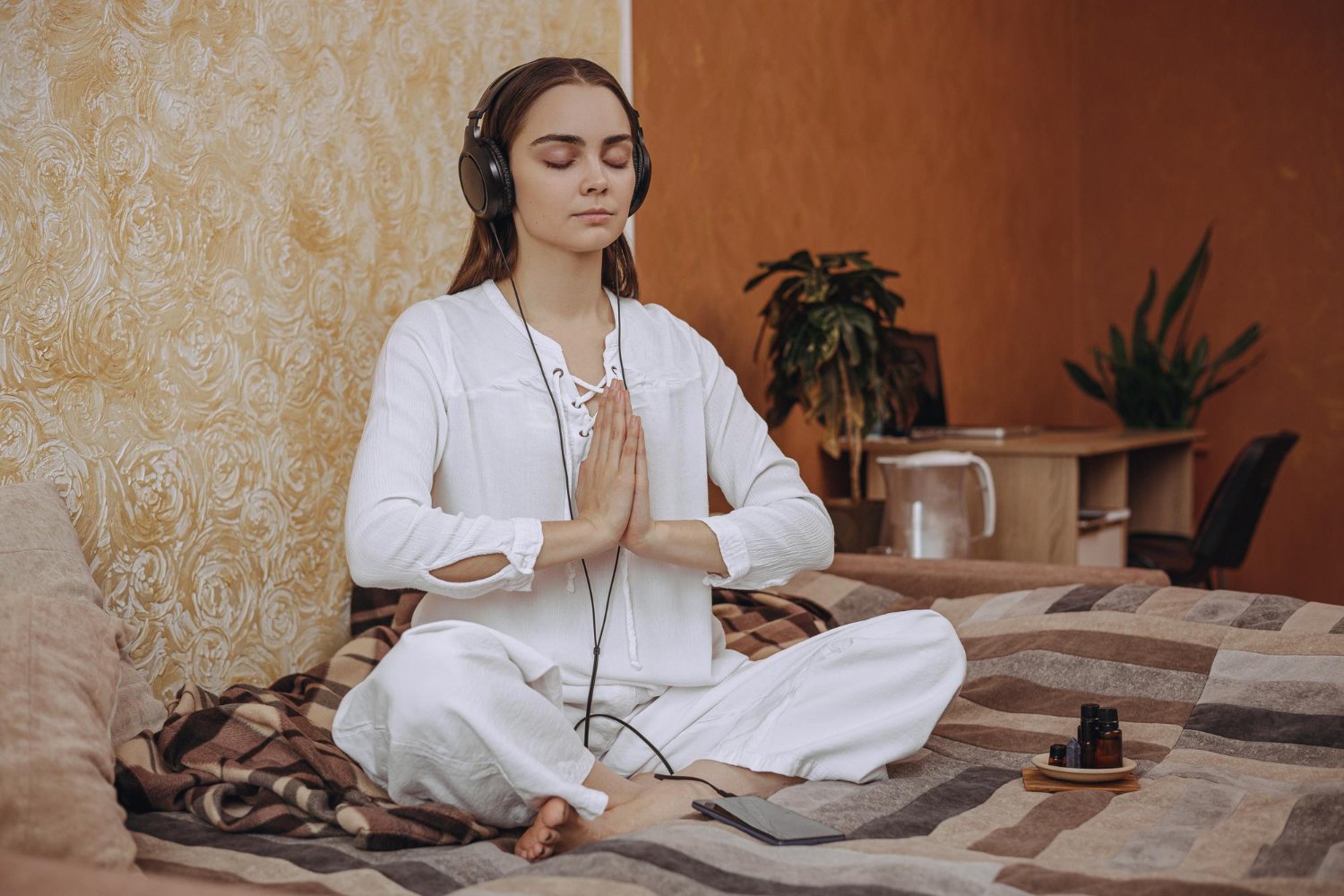
Music is an integral part of the human experience, capable of influencing emotional, psychological, and even physiological states. In the context of yoga, its role goes far beyond simple background accompaniment. Music becomes a conscious tool that helps create the ideal environment for practice, minimize external distractions, and deepen the inner experience. It serves as a kind of bridge connecting everyday concerns with a state of full concentration and inner peace.
The connection between sound and spiritual practices has existed for thousands of years. In ancient times, chanting mantras, Tibetan singing bowls, and other forms of sound therapy were used to enter a meditative state.
An effective home yoga practice requires not only the right choice of asanas but also harmonious accompaniment that changes depending on the stage of the session. Just like a class with an instructor, a full session has a clear structure, and music can act as a “guide” through it.
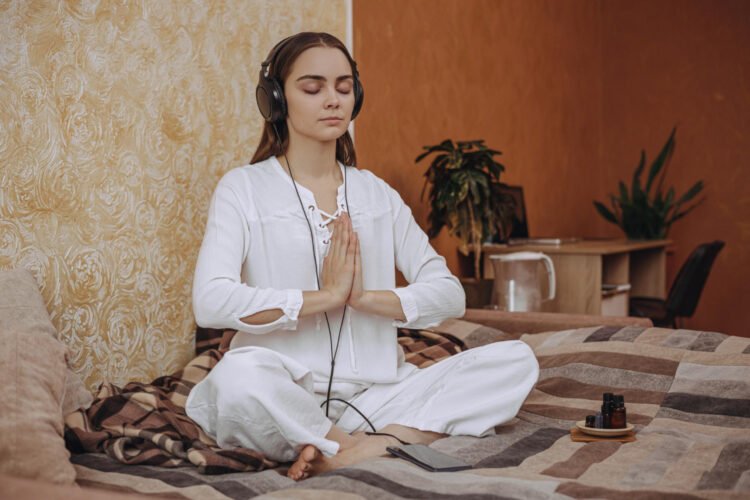
Introduction and breathing (5–10 minutes). At the start of the session, it is important to take time for breathing exercises and focus. The goal of this phase is to shift attention from daily concerns to the inner world, preparing the body and mind for practice. Calm, soft, meditative music, nature sounds, or music that helps focus on breathing, such as “breathing to a metronome,” work best here. This helps establish inner calm and sets the right mood for the entire session.
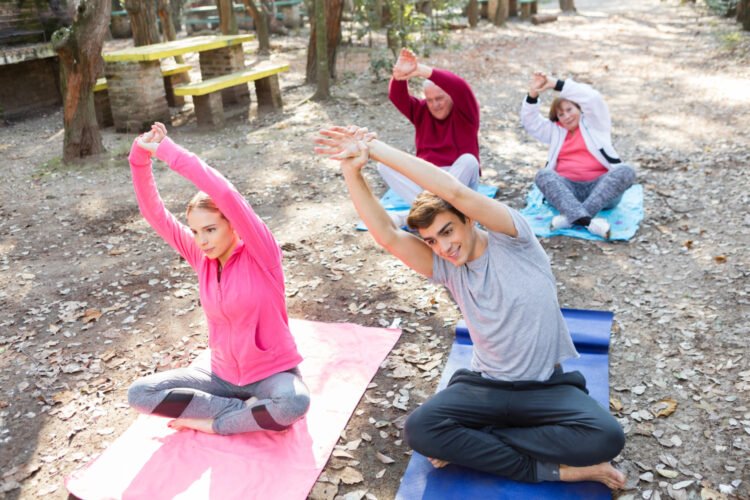
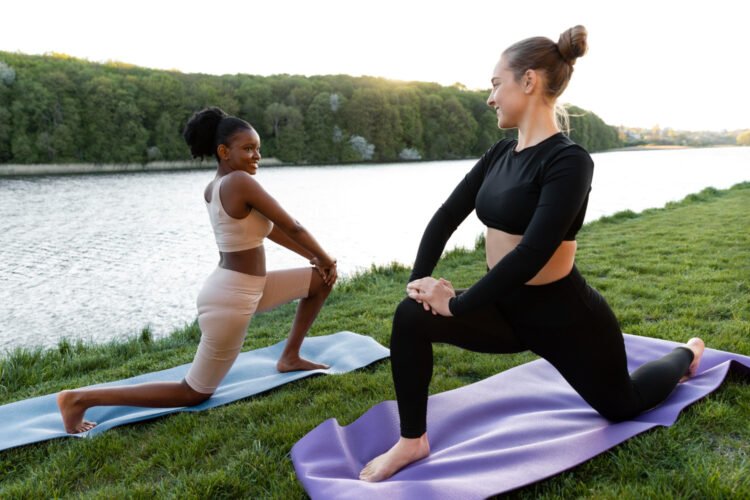
Active phase (asanas). Once movement begins, music can pick up momentum. Dynamic rhythms make exercises more enjoyable and help maintain flow and pace. Depending on the yoga style, tempo may vary. For gentle, restorative practices, slower rhythms (around 60–80 beats per minute) promote muscle relaxation. For dynamic, energetic practices (Vinyasa, Power yoga), more upbeat music is suitable.
Closing (Savasana and meditation). The final 10–15 minutes are usually devoted to relaxation, most often in Savasana. The goal is to return the body to stillness and complete relaxation. The best choice here is calm, soothing melodies, soundscapes, or ambient music without clear rhythms.
The concept of “breathing to a metronome” is especially important for beginners without a teacher. Music can not only accompany breathing but guide its rhythm, which is critical for proper pranayama practice and reaching a deep meditative state. It becomes a practical tool that integrates music into the technique itself, enhancing physiological benefits such as blood pressure regulation.
Overview of Music Genres and Soundscapes
Meditative and traditional Indian music
This genre is among the most popular due to its deep connection to yoga’s roots. It often includes mantra chanting (such as Om Gam Mantra) and traditional instruments like the Indian flute (bansuri) or Tibetan singing bowls. Such music helps clear negative energy, focus on breathing, and create a deeply meditative atmosphere. Artists like Snatam Kaur and Mirabai Ceiba are well known for combining Indian devotional music with modern meditative melodies.
Ambient and instrumental music
Ambient focuses on tone and atmosphere rather than structure or rhythm. It is ideal as background music for asanas, creating a calm, unobtrusive mood and supporting focus. Instrumental music such as piano, guitar, and flute compositions is also widely used to enhance relaxation and concentration.
Classical, jazz, and lo-fi
Surprisingly, these genres can also be excellent additions to practice. Classical music from composers like Mozart, Bach, or Beethoven helps stabilize heart rhythm and improve concentration. Jazz and lo-fi can reduce cortisol levels and promote relaxation after exercise. These genres provide a more familiar soundscape for Western listeners while maintaining therapeutic properties.
Nature sounds and binaural beats
Natural sounds such as running water, birdsong, ocean waves, or rain foster calm, connection with nature, and relaxation. Some yoga and meditation tracks also use binaural beats (delta, alpha, or theta waves), scientifically designed to stimulate the brain into deep relaxation, focus, or sleep, depending on frequency.
Yoga music is not a single genre but rather a diverse soundscape. Practices can blend traditions from around the world, including African and Celtic motifs. The key feature of effective yoga music is its ability to serve as a “soundscape” rather than a dynamic composition: low tempo, minimal sharp changes, and a stable atmosphere.
Practical Tools: Where to Find the Ideal Soundtrack
Streaming services. Platforms like Apple Music, Spotify, and Deezer offer a wide variety of specialized yoga and meditation playlists. They are usually categorized by genre, mood, or duration, making it easy to find the right option.
YouTube. This platform is one of the most accessible sources of yoga music. Specialized channels such as YellowBrickCinema, Nu Meditation Music, Brainwave Power Music, and Porter Singer regularly update their collections. Search using keywords like “Yoga Music,” “Relaxing Music,” “Meditation Music,” or “Asana Yoga.” Many of these channels also provide full video lessons where music is already integrated into practice.
Specialized yoga apps. For those seeking an all-in-one solution, apps with built-in music are available. Glo, Yoga Studio, Daily Yoga, Sunsa Yoga, and Track Yoga are just a few examples. They allow users to create personalized sessions where music is synchronized with poses, breathing, and overall goals, providing a complete ecosystem for home practice.
Final Thoughts
Choosing music for home yoga is not a formality but a conscious step toward deepening practice. Music is a powerful tool with proven physiological and psychological benefits, from reducing stress to improving focus. Success lies in selecting music that matches the phases of practice and understanding the effects of different genres, from traditional Indian melodies to modern ambient and nature sounds.
The most important recommendation, however, is to listen to your body and inner state. The best music is the one that helps you focus, deepen your breath, and find inner calm, regardless of genre. By experimenting with styles, tempos, and sources from streaming platforms to specialized apps, you can discover your own unique soundtrack, turning home yoga into not just physical exercise but a true ritual of harmony and self-discovery.